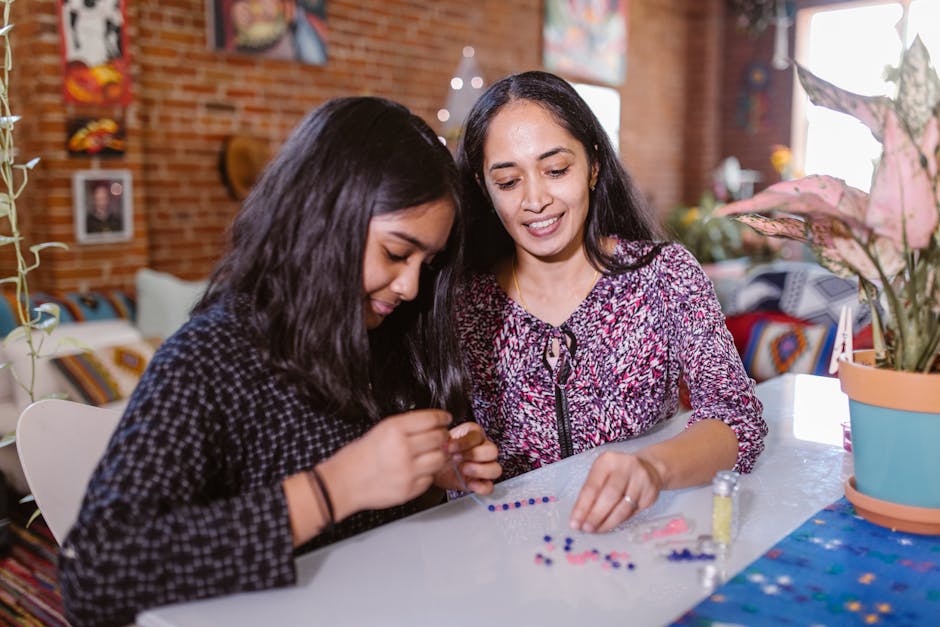
The Art of Connection: Crafting Meaningful Greeting Cards for Every Occasion
Greeting cards have transcended their traditional role as simple paper notes, evolving into powerful tools of connection and self-expression. In today’s fast-paced world, they offer a tangible way to convey emotions that emails and texts often fail to capture.
From birthdays to condolences, these small pieces of art allow us to
Digital vs Traditional: Choosing the Right Format
While e-cards offer convenience, traditional paper cards maintain a distinct advantage in creating lasting impressions. Physical cards become keepsakes that recipients can revisit and display for years.
However, digital platforms enable creative possibilities like animated illustrations or interactive features. Many professionals now combine both formats, sending electronic reminders followed by physical cards for special occasions.

Specialty Markets and Niche Communities
Beyond mainstream retailers, numerous niche markets cater to specific interests. Enthusiasts can find cards focused on particular hobbies, professions, or causes. These specialized offerings allow for more targeted and impactful messaging.
For example, the Papier de Paris collection features elegant cards designed for wine lovers, while organizations like American Cancer Society sell cards supporting medical research initiatives. Such products demonstrate how greeting cards can serve dual purposes.
Sustainability in Contemporary Design
Environmental consciousness has influenced greeting card production in recent years. Many companies now use recycled paper stock and soy-based inks to reduce ecological impact. Some even incorporate seed paper that can be planted after use.
Notable sustainable brands include EcoCard Co., which uses post-consumer waste fibers, and TreeCard, whose packaging includes saplings that grow into trees. These innovations address concerns about the industry’s environmental footprint.
Collectible Cards and Cultural Significance
Some greeting cards attain collectible status due to their artistic merit or historical significance. Vintage cards from the 1960s and 70s, especially those featuring iconic imagery, command high prices among collectors.
Premium brands like Limited Edition Prints produce limited-run cards signed by artists. These exclusive items blend fine art with traditional card-making techniques, appealing to both art enthusiasts and collectors.

Techniques for Customization
Personalizing cards enhances their sentimental value. Techniques range from basic pen-and-paper approaches to advanced methods involving die-cutting and foil stamping. Even simple additions like pressed flowers can transform ordinary cards into unique creations.
Many craft stores offer workshops teaching letterpress printing and watercolor techniques suitable for beginners. These classes empower individuals to create bespoke gifts tailored to specific relationships.
The Role of Technology in Modern Card-Making
Digital tools have expanded creative possibilities without compromising craftsmanship. Software programs now allow designers to experiment with layouts, fonts, and visuals before committing to print. Online platforms facilitate global collaboration between artists and writers.
Virtual reality applications are beginning to influence card design, enabling immersive storytelling experiences. While still emerging, these technologies hint at future innovations in how we communicate through physical media.
Preserving Traditions in the Digital Age
Despite changing communication habits, greeting cards continue to thrive thanks to their ability to bridge technology and tradition. They offer a timeless medium for expressing feelings in ways screens cannot fully replicate.
Community initiatives like National Writing Day encourage people to reconnect with handwriting skills. Schools increasingly integrate card-writing activities into curricula to foster empathy and creativity in students.
Conclusion
Greeting cards remain a vital part of human interaction, combining artistic expression with deep emotional resonance. As we navigate new communication landscapes, their enduring relevance speaks to fundamental human needs for connection and meaning.
To engage more deeply with this practice, consider experimenting with different mediums—from traditional paper to digital platforms—and discover what resonates most authentically with your style of communication.